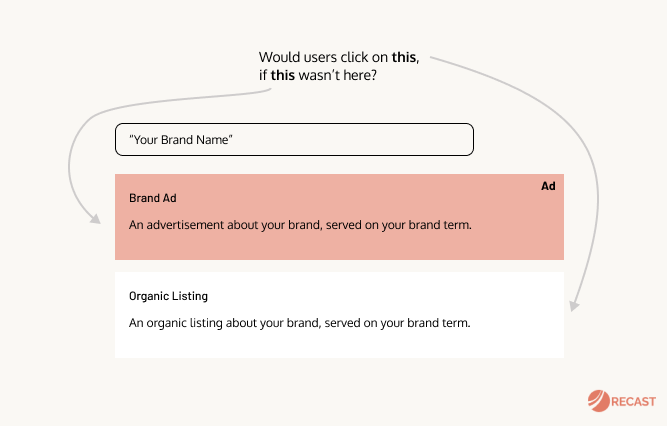
Upper funnel channels like Meta Prospecting drive direct sales when someone sees an ad then buys something. Every marketer knows this. But they also create assisted sales through channels like Brand Search. How does that work? Upper funnel activity often increases query volume for a brand, which increases the ability to spend into Brand Search. That increased spend in Brand Search can contribute additional incremental sales. So the total impact of an upper funnel channel is the sum of its direct sales plus its assisted sales. While this relationship has been long-known, the challenge has been accurately estimating it in complex statistical models like an MMM. But the payoff for doing so is immense, because with a more accurate picture…
One of the ever-present problems with marketing mix modeling is that you always have to choose some start date. And since you always need to choose a start date, there’s always some period before the start date that’s impacting your results. Here's how Recast handles these carry-over effects.
Mockingbird empowers parents with premium, well-designed baby gear like their signature Single-to-Double Stroller. With a complex buyer’s journey and an…
With digital tracking breaking, consumer brands that relied on multi-touch attribution are now looking for alternatives to measure marketing effectiveness.…
Business environments are messy; people with different responsibilities need to work together on decisions quickly and without perfect information. That…
In the context of marketing measurement, marketing analysts and marketing scientists use the term “incrementality” to refer to causality. Incrementality…